


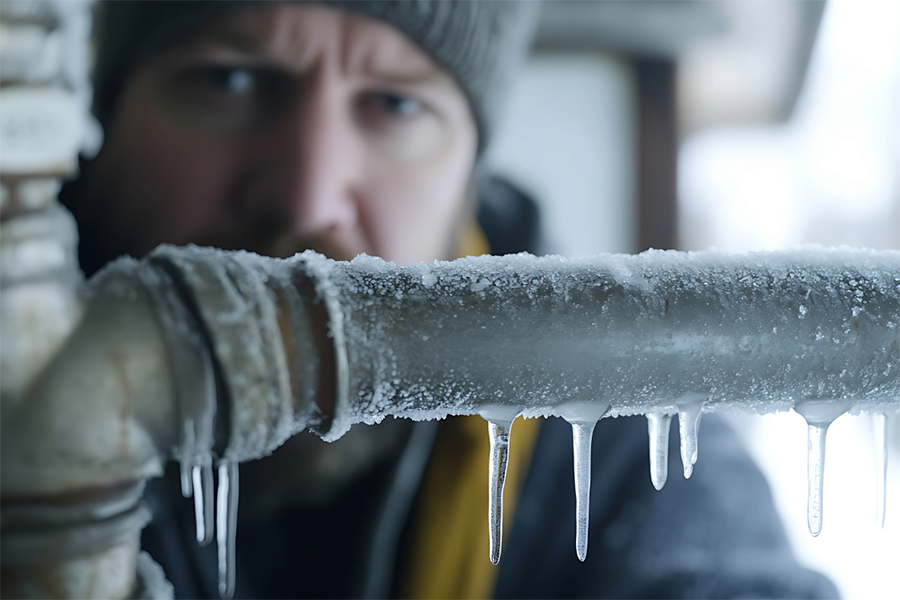
Frozen pipes may be the most talked-about winter plumbing issue, but they’re far from the only one homeowners face in January. In the Twin Cities, long stretches of cold weather affect much more than the pipes you can see. Sewer lines, water heaters, and underground plumbing all feel the impact of sustained low temperatures, often in ways that aren’t immediately obvious.
Understanding these lesser-known winter plumbing risks can help homeowners catch problems early and avoid unexpected repairs during the coldest part of the year.
Why winter impacts more than exposed pipes
When temperatures stay low for weeks at a time, plumbing systems experience ongoing stress. Pipes expand and contract, soil shifts beneath the ground, and minerals in the water behave differently in cold conditions. Even systems that worked well during the fall can start to struggle as winter settles in.
Because many of these components are hidden underground or behind walls, issues can develop quietly before any clear warning signs appear.
Sewer lines can be affected by cold and shifting soil
Sewer lines don’t freeze as often as water supply lines, but winter can still take a toll. Frozen ground can shift or settle, especially in areas with older infrastructure. Tree roots that were manageable during warmer months may put additional pressure on sewer lines as soil conditions change.
Slow drains, gurgling sounds, or recurring backups can be signs that something is wrong below the surface. Professional drains and sewers services can help identify these issues before they turn into major disruptions.
Water heaters work harder in January
January is one of the busiest months for water heaters. Colder incoming water means the system has to work harder to deliver hot water for daily tasks like showers, laundry, and dishes. For older units, this extra workload can highlight wear that wasn’t noticeable earlier in the year.
Sediment and mineral buildup inside the tank can also reduce efficiency, making it harder to keep up with demand. If hot water runs out faster than usual or temperatures seem inconsistent, it may be time to have your water heater checked.
Underground plumbing issues often go unnoticed
Many plumbing problems in winter go unnoticed. Underground pipes are affected by frozen soil, moisture changes, and gradual movement over time. Small cracks or weak spots can worsen in January without causing immediate symptoms inside the home.
These hidden issues may eventually show up as unexplained increases in water bills, damp areas in the yard, or persistent plumbing problems that don’t fully resolve with basic fixes.
Older materials can struggle during sustained cold
Homes with older plumbing materials are often more vulnerable to winter stress. Pipes that have been in place for decades may still function, but lack the flexibility and durability of newer materials. Sustained cold can accelerate wear, making January a common time for these systems to show signs of trouble.
This doesn’t always mean replacement is needed, but it does mean paying closer attention to how the system is performing.
Why a winter plumbing check can make a difference
January is a good time to take a closer look at your plumbing because systems are actively responding to real winter conditions. A professional evaluation can help spot mineral buildup, early sewer issues, and water heater concerns before they escalate into emergencies.
Northern Benjamin Franklin Plumbing offers reliable plumbing services designed for Twin Cities homes and winter challenges.
Protect your home through the rest of winter
Frozen pipes may get the most attention, but winter plumbing risks don’t stop there. Paying attention to how your system performs in January can help you avoid bigger problems later in the season.
If you’ve noticed slow drains, changes in hot water, or other plumbing concerns, now is the right time to act. Contact Northern Benjamin Franklin Plumbing by scheduling a service today or calling (763) 296-1844 to keep your home protected through the rest of winter.